

Each year I like to reflect on the biggest dieting and weight loss trends of the year. Well, I suppose ‘like’ might not be the right word here. The diet and weight loss industry is constantly reshaping the mould. They want to keep us hooked on seeking the true key to happiness, success and desirability. Their catch all solution? Lose weight! Diet! Make up for festive eating! Hit the gym until you can hit it no more!
Here’s the thing, the pursuit of weight loss rarely gives us the very thing it promises – long-term weight loss. Science shows that in the long-term, you are more likely to gain weight than lose it when you follow a diet or pursue weight loss. If you think about your experience and the experience of those around you who diet, you’ll know this to be true. The reason we, as a society, are still seeking the key to weight loss is because it doesn’t exist (and because billions is spent each year making us so insecure that we can be sold weight loss plans and pills with ease!). IF diets, health-kicks and weight loss pursuits worked, you’d only have to go on one once, and that would be it! There have been no long-term studies showing successful weight loss through dieting or going on a health-kick. What’s more is that these changes to your diet also come with an increased risk of eating disorders, disordered eating, poorer self-esteem and poorer psychological wellbeing.
”These changes to your diet also come with an increased risk of eating disorders, disordered eating, poorer self-esteem and poorer psychological wellbeing.”
The truth that dieting and weight loss pursuits do more harm than good is finally breaking into the mainstream media – and the weight loss industry knows this. Over the last few years we have seen a shift from overt promotion of diets to more subtle marketing. For example, in 2018, Weight Watchers rebranded itself as ‘WW’ alongside a tagline ‘Wellness that works’. We’ve also seen the rise and fall of Noom which claimed not to be a diet. There were no brand-spanking new weight loss plans in 2022 – no keto, intermittent fasting or 5:2 equivalent. What we did see, however, was a collection of familiar diets and ‘slimming’ groups trying to rebrand.
As we look ahead to the New Year, here are my 2023 diet and weight loss predictions:
- More diets and weigh loss plans claiming they are ‘not a diet’
- Diets moving away from weight loss as a promise
- Diets rebranding as a cure-all for conditions e.g. Polycystic Ovarian Syndrome (PCOS), Irritable Bowel Syndrome (IBS) and inflammatory-related conditions
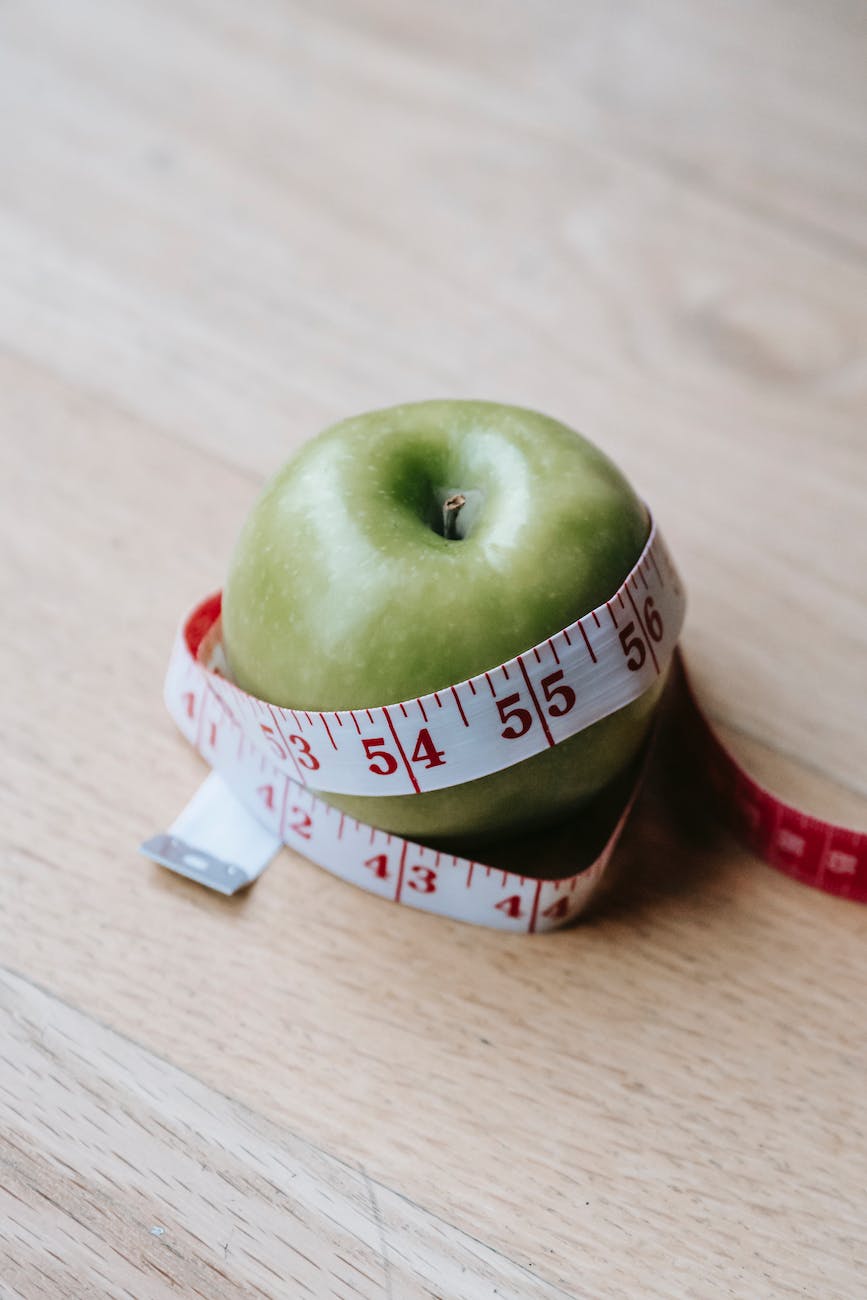
Intuitive Eating expert Christy Harrison rightly states that the weight loss and wellness industry steals your time, money, well-being and happiness! Dieting and health kicks are also linked with more binge-eating and reaching for food in times of stress (Hazzard et al. 2021). While nothing is morally wrong with either of these eating patterns, it can leave you feeling exhausted!
Here’s how you can start 2023 free from diets!
Step 1: Get familiar with diets. The best way to manage a problem is to first know what the problem is! A diet is anything that tells you what, when or how to eat and often comes with a promise to change your body. If something says it is not a diet – check! Ask yourself whether it tells you what, when or how to eat. Does it promise to change your body? If yes, you guessed it – it’s probably a diet.
Step 2: Recognise that diets and the pursuit of weight loss do not serve you! Reflect on the diets and ‘health kicks’ you have been on. Did they give you what you wanted? It’s likely they did not deliver on their promise of long-term weight loss! If they didn’t, it’s not your fault. In fact, statistically you are the majority!
Step 3: Create a relationship with food no longer built on shame and shrinking your body! You deserve to take up space! You deserve to have a trusting relationship with your body, to connect with food and tune into your body’s hunger and satisfaction cues!
One way to carve out a new relationship with food is through Intuitive Eating. Intuitive Eating is not a quick fix. If you hear siren sounds when you hear me say it’s not a diet, kudos! You’re starting to see diet culture for what it really is and view things through a critical lens. Intuitive Eating is very different from dieting. Intuitive Eating is a framework to help you truly connect with your body’s internal cues. It is a pathway to heal your relationship with food & your body. It helps you to stop relying on external rules telling you when, what or how much to eat and. It empowers you to cultivate a relationship where you trust your body to tell you when it’s hungry and when it’s full!
If you would like support to rebuild your relationship with food and/ or your body, I’d like to invite you to book your FREE Discovery Call with me. This is a no-obligations call where we can discuss how Centre for Liberating Nutrition can help you! Click the button below to finally heal your relationship with food in 2023!
References:
Mann et al. (2007), Medicare’s search for effective ob*sity treatments: diets are not the answer.
Hazzard et al. (2021), Intuitive eating longitudinally predicts better psychological health and lower use of disordered eating behaviors: findings from EAT 2010–2018
Make 2023 the year you heal your relationship with food & your body
With Centre for Liberating Nutrition
 centreforliberatingnutrition.com